THE APPETIZER | L’OCCITANE INDEPENDENT CASE STUDY

The Art of REINVENTION

Can L’Occitane win over a new generation without losing its heritage?

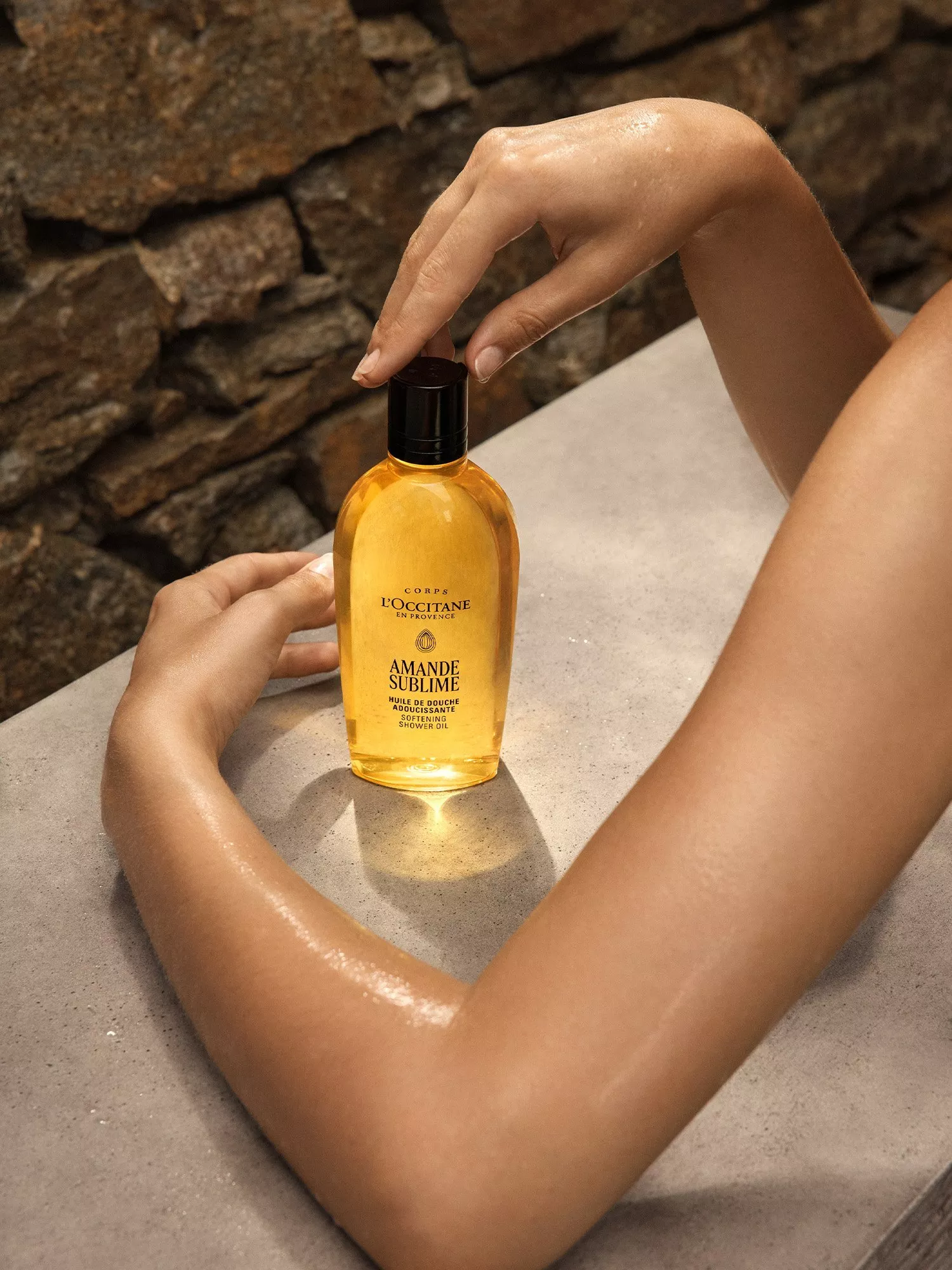
L’Occitane Amande Sublime in the sunlight
01 | THE BACKSTORY

A BRAND AT A
CROSSROADS

Founded in Provence in 1976, L’Occitane has built its identity around natural ingredients, craftsmanship and sensorial beauty.

As the brand celebrates its 50th anniversary in 2026, it is undergoing a transformation that extends far beyond packaging.

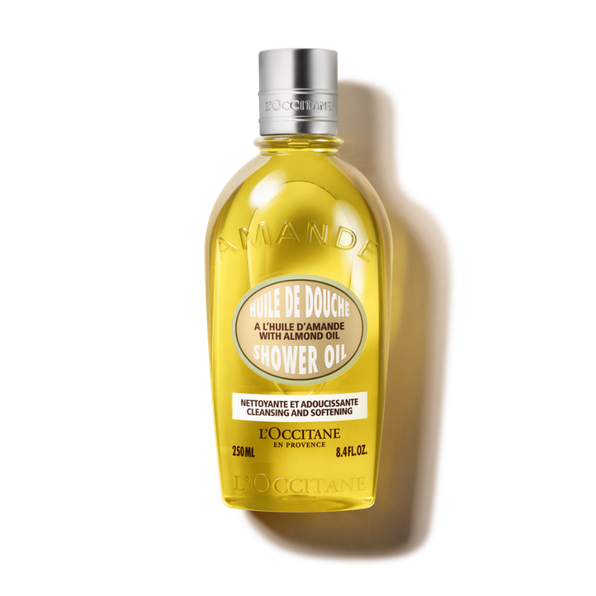
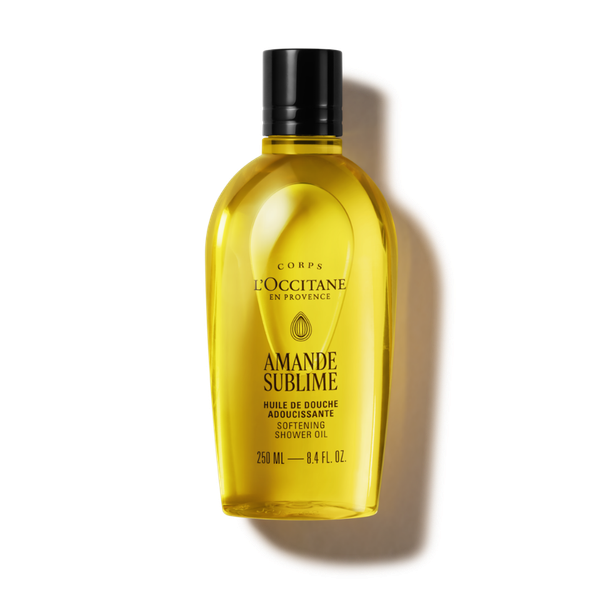
One example is the transformation of its iconic Almond collection into Amande Sublime. Refined colours, updated packaging and French-inspired naming change how the range looks and feels while keeping the established formulations.
02 | THE CONTROVERSY

WHEN CHANGE MEETS
RESISTANCE

In selected social media discussions, some users missed familiar design details and described the redesign as more generic. Those comments raised a question for the study.

Was the new design less appealing or were people too attached to the original?
03 | THE HYPOTHESIS

FAMILIARITY CHANGES
WHAT WE SEE

04 | THE CONSUMER TEST

THE TEST

My Approach

I designed, ran and analysed an independent exploratory online survey with 36 respondents. I compared the original Almond packaging with the Amande Sublime redesign and looked at how familiarity related to perceived quality.

Original Almond packaging
ORIGINAL ALMOND PACKAGING
Amande Sublime redesign
AMANDE SUBLIME REDESIGN

The Findings

PREMIUM PERCEPTION88,9%

32 of 36 rated the redesign as more premium.

REDESIGN PROPOSED PRICE INCREASE+22,5%

From 6,68€ to 8,18€ on average.

BRAND UNFAMILIARITY61,1%

22 of 36 were unfamiliar with L’Occitane.

WHAT DOES IT LOOK LIKE IT COSTS?

Original6,68€
Redesign8,18€
0€10€

WHO FOUND THE REDESIGN MORE PREMIUM?

Not Familiar90.9%
Familiar100%
Very Familiar50%
0%100%

My Conclusion

My findings challenge the idea that the redesign was simply less appealing. 88.9% of respondents perceived the new packaging as more premium, and the price they expected was 22.5% higher on average than for the original.

Opinions were more divided among those most familiar with the brand. Still, the survey showed no clear relationship between familiarity and resistance.

My hypothesis remains plausible, but unconfirmed. Emotional attachment to the original packaging may help explain the online backlash.

05 | A DEEPER LOOK

What happens when a brand redesigns an object people have made part of their identity?

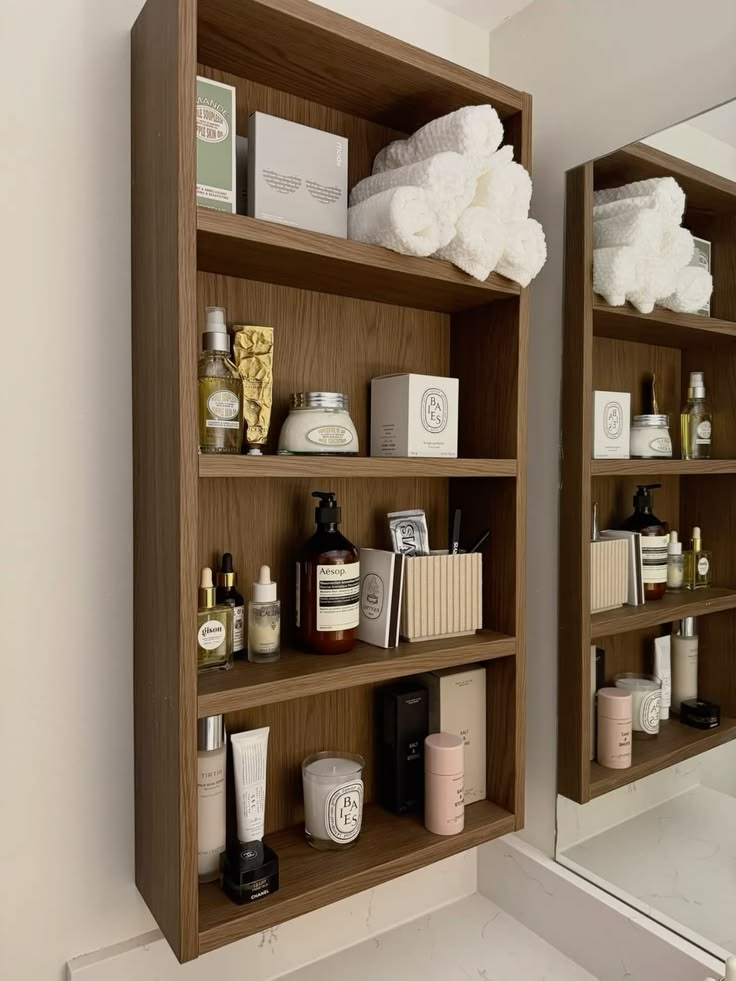
Beauty routines, curated shelves and restocking videos can turn everyday packaging into a way to express taste. For some beauty enthusiasts, the familiar Almond Shower Oil bottle may have taken on that role.

Online backlash and positive survey responses are not necessarily contradictory. The survey captured how the two designs looked side by side. Online comments may also reflect emotional attachment.

However, neither my survey nor the selected online comments can establish that status-related consumption or cognitive dissonance caused negative reactions.

Beauty products arranged on a bathroom shelf
06 | MY PROPOSITION

THE HERITAGE COLLECTION

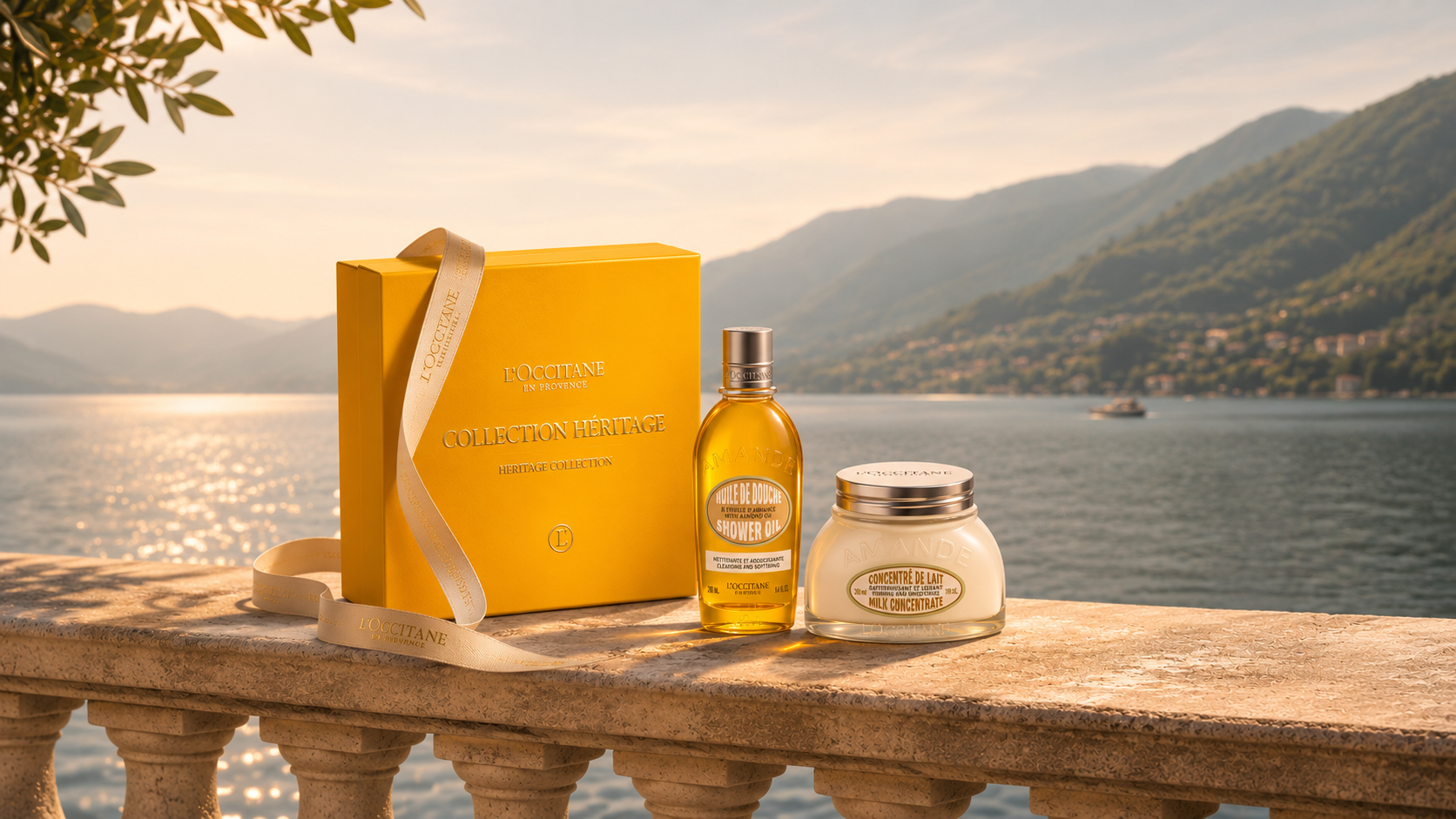
An anniversary edition that brings back the original Almond Shower Oil and Body Lotion for a limited time.

The Heritage Collection in its golden gift box beside a lakeIndependent Concept - Not Affiliated with L’Occitane
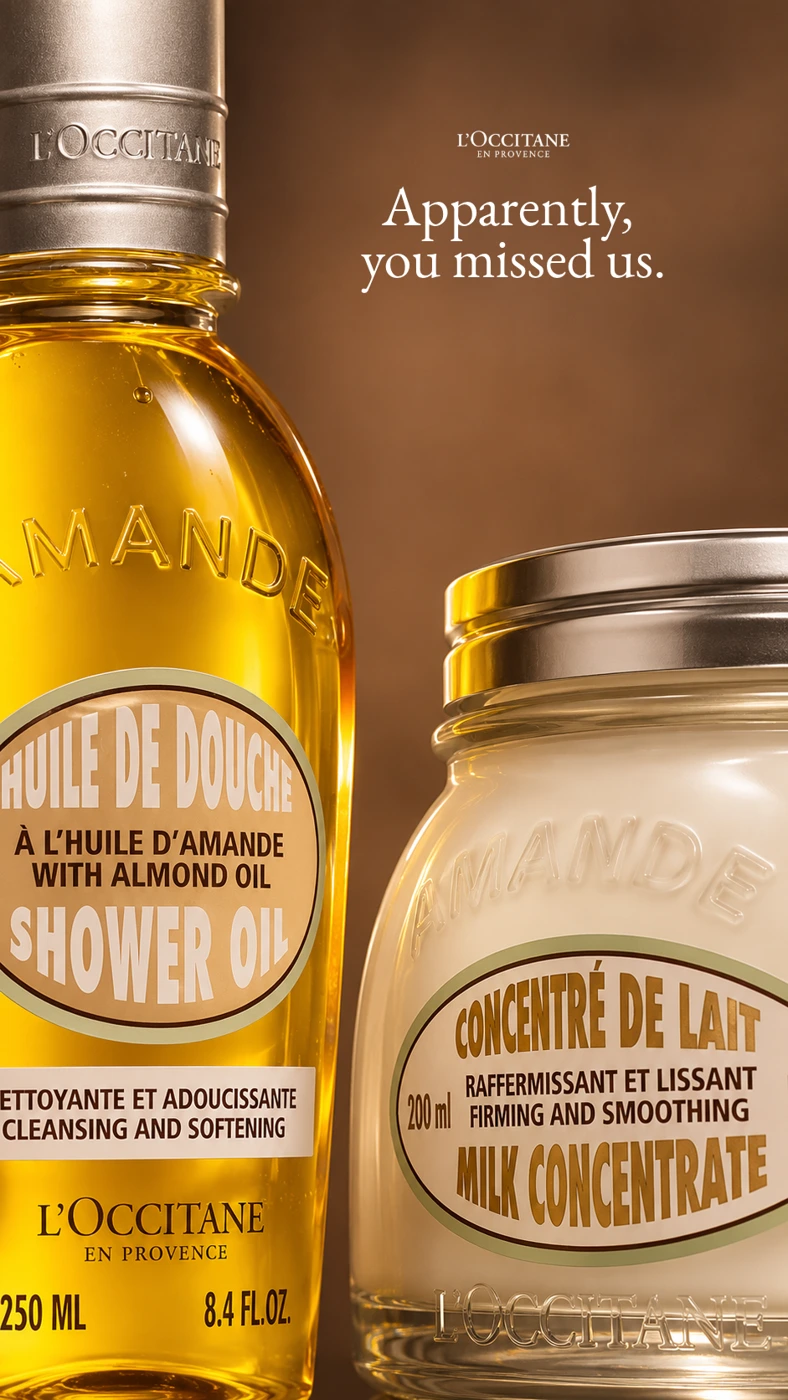
Apparently, you missed us. Heritage packaging campaign.

The Concept

Bring back original packaging for selected bestsellers as annual limited editions alongside the contemporary range. Keep current formulas and give customers a reason to revisit a familiar design.

The initiative could strengthen emotional engagement, create collectibility and generate an additional purchase occasion.

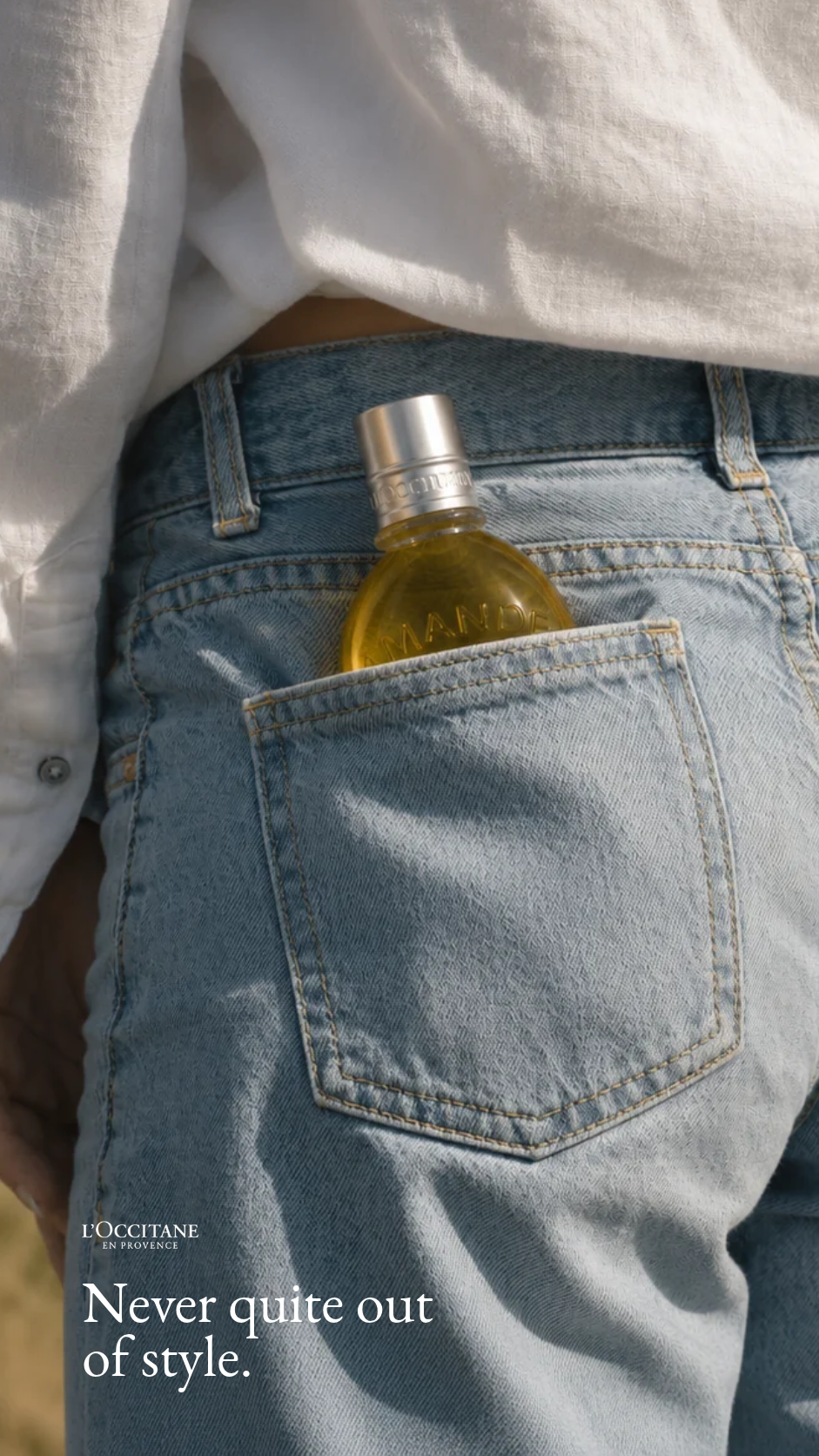
Almond shower oil tucked into a denim pocket.

The Pilot

Start with Almond Shower Oil and Body Lotion and use pre-orders to gauge demand before production. Keep current sustainability standards and watch for packaging costs and potential dilution of the new identity.

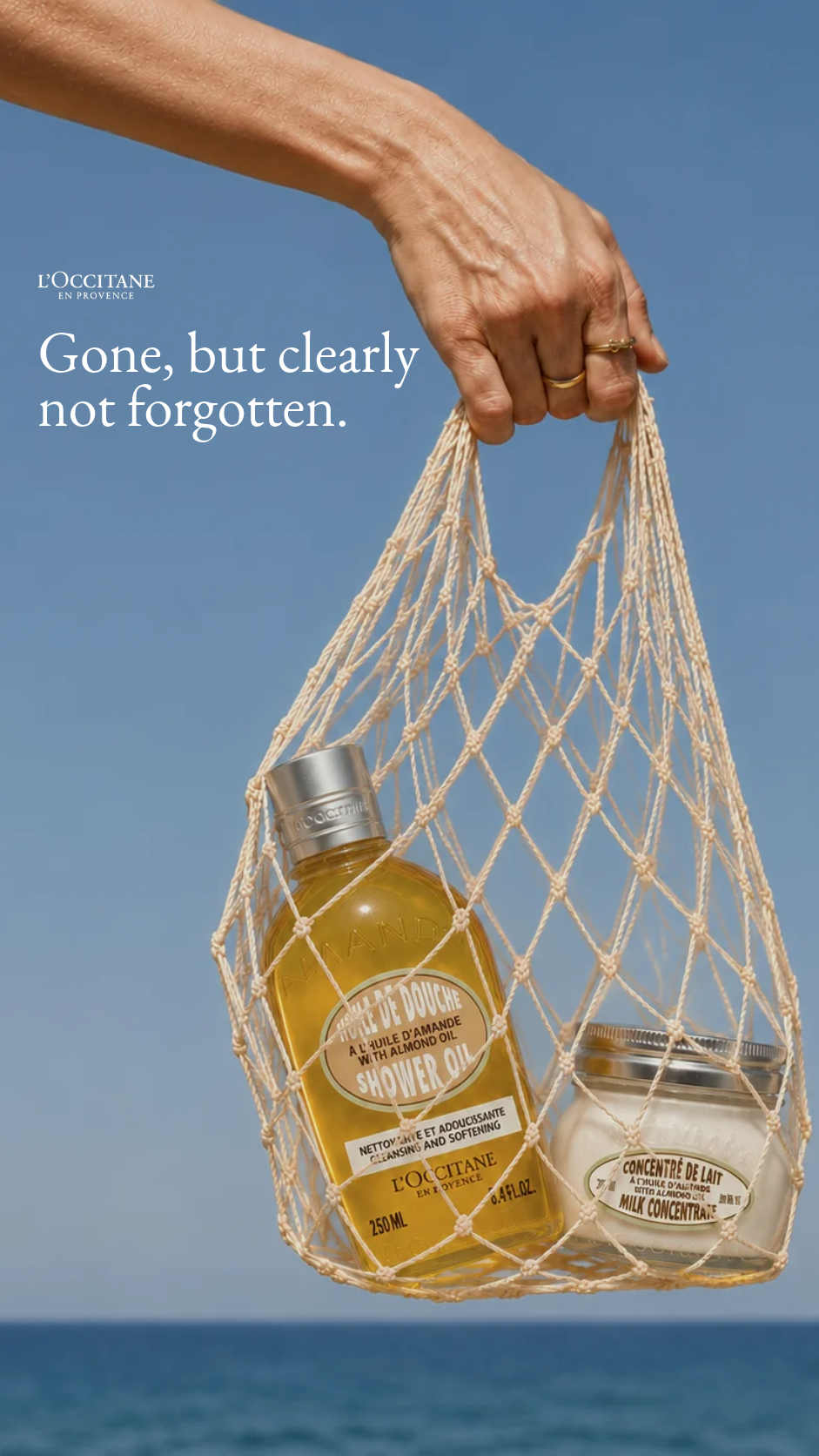
Almond shower oil in a string bag by the sea.

The Measures

Track sell-through, incremental sales, customer participation and whether purchases shift away from the permanent collection.